


15 Aug ABCDE Change Management Framework
About the Framework
Change as a Deliberate Practice
Why does institutional change need a framework for sustained practice?
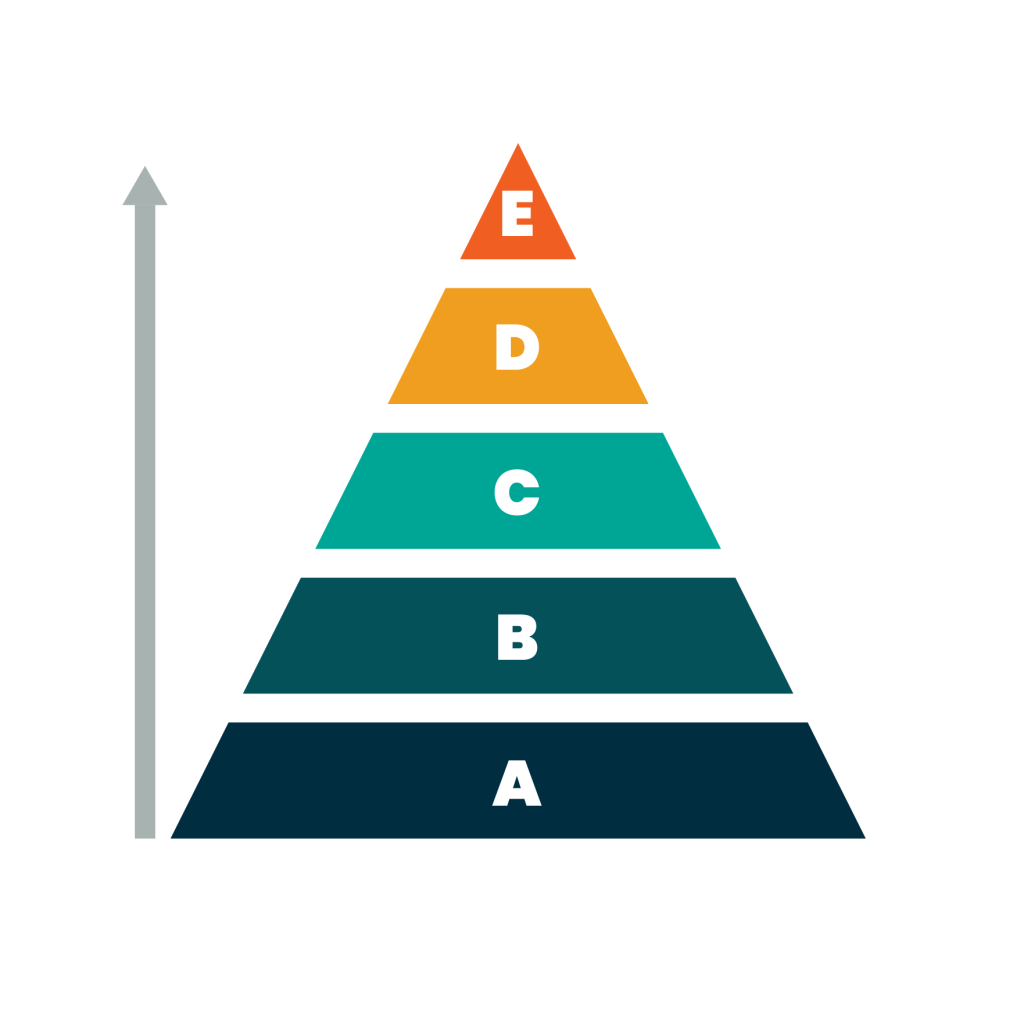
The framework's premise is that sustained change is a deliberate practice, built in an order that holds. Teams that lead with a new tool or a new policy often circle back to do the relational work they skipped: a platform layered on broken workflows produces broken workflows with a better interface, and a policy written without aggregated allies sits unenforced. The five phases put the work in sequence, each one preparing the ground the next one builds on, so that change takes root in the culture of an institution rather than in any single champion's continued attention. Dr. Hanley refined the pyramid across decades of guiding systemic change in higher education, and it carries that field experience in its design: every phase begins from what an institution already has. The guidance Dr. Angela Gunder and Dr. Josh Herron bring to every engagement with the framework follows the same grain. Never start with the technology. Name the outcomes you want to be true, then walk the pyramid toward them.
How to Cite
License Info
Phase A
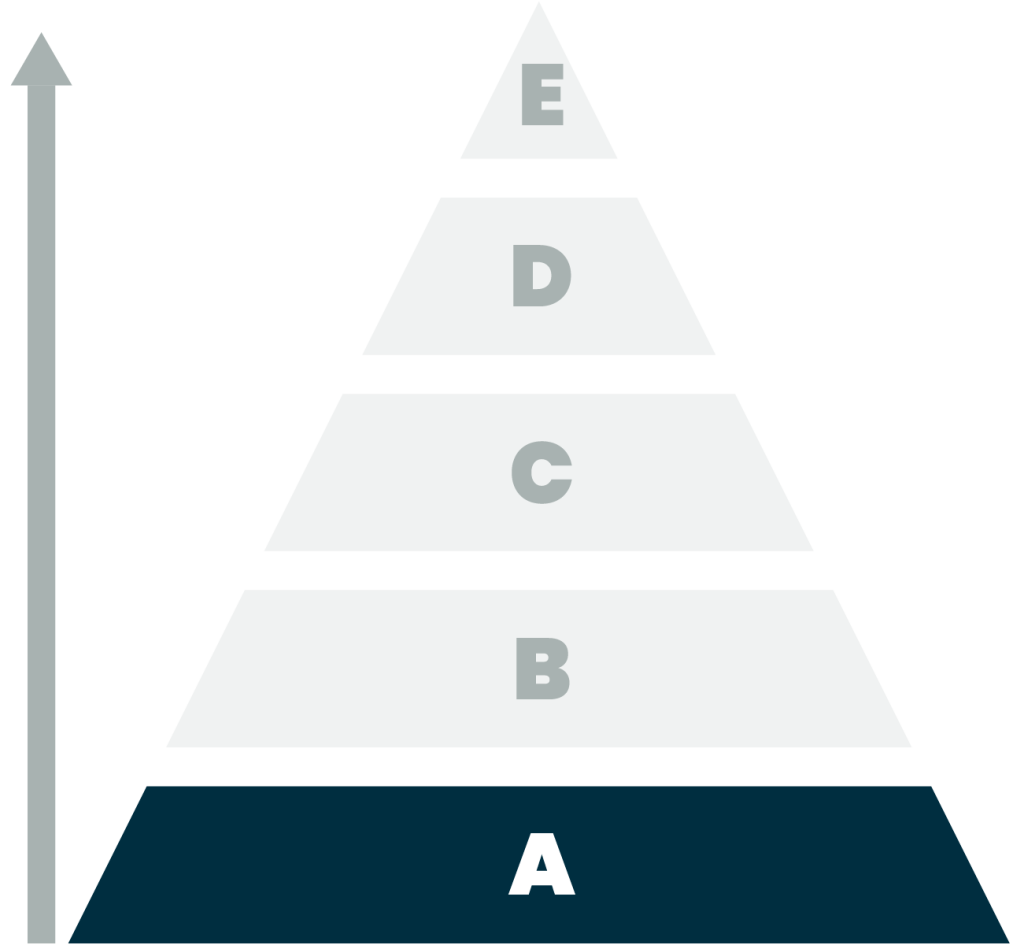
Aggregate Assets and Allies
Identifying the resources, organizations, and people that can be part of the solution.
Every institution holds more of what it needs than it realizes: the colleague already experimenting, the data already collected, the center already funded, the partner organization already willing. Phase A is the deliberate inventory of those assets and the people who will carry the work forward. This is the strengths-based move that defeats the blank page, because the question is never what do we lack, but what do we already have and who is already with us. The allies aggregated here become the coalition every later phase depends on.
Phase B
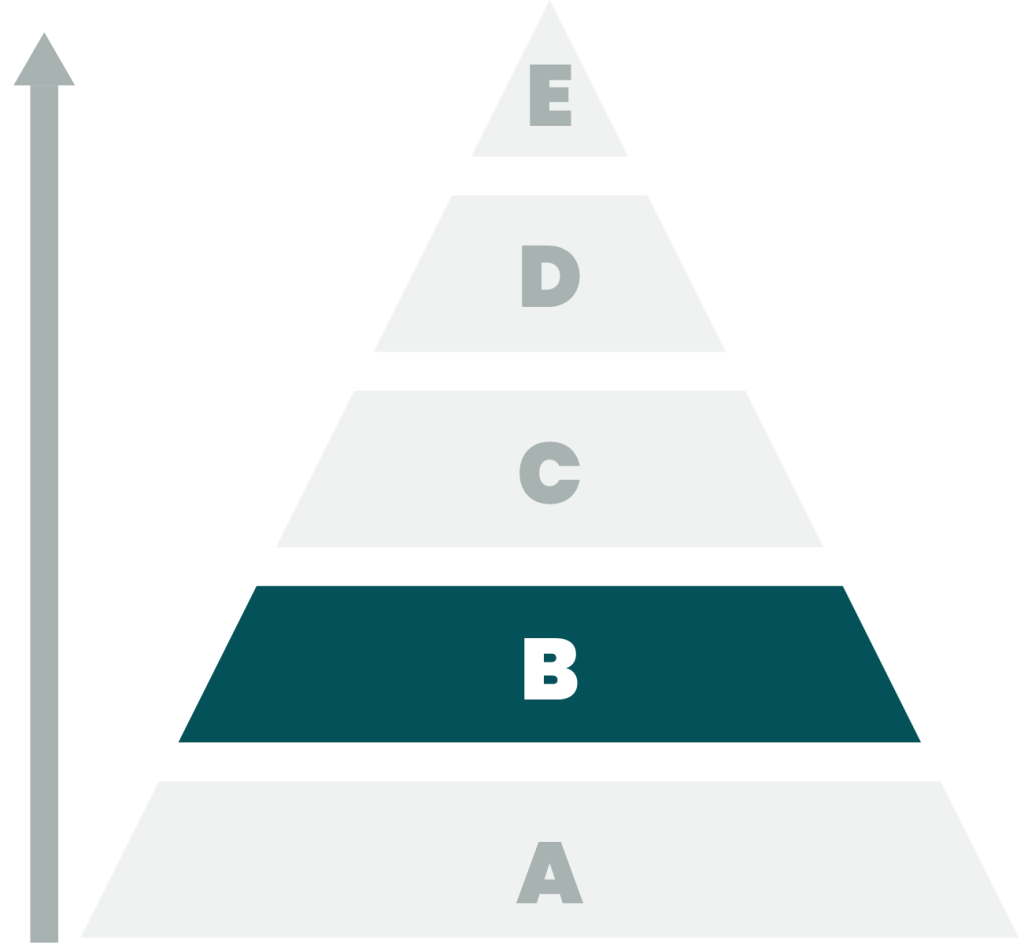
Build Bridges
Connecting the groups and functions that need to collaborate for the change to hold.
Institutional change crosses boundaries that day-to-day work rarely does: faculty and administrators, academic and student affairs, IT and instruction, leadership and the people closest to learners. Phase B builds the working relationships between those functions, in the places where decisions actually get made. Bridges are not introductions; they are shared commitments about who decides what, who informs whom, and how the work moves between offices. Teams that skip this phase feel it later, when a promising pilot stalls at the first boundary it was never connected across.
Phase C
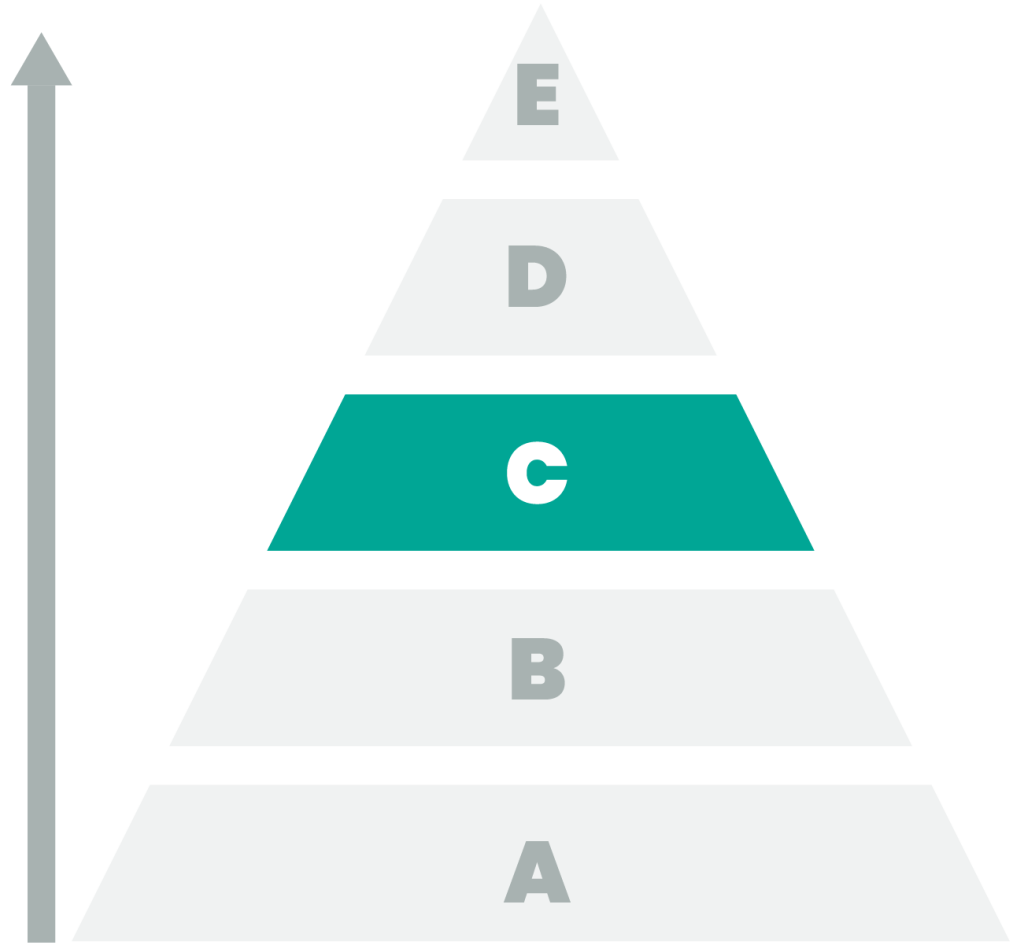
Create Capabilities
Building the opportunities, content, resources, and supports the change requires, with inclusive and equitable access.
With allies gathered and bridges built, Phase C turns to making: the course redesigns, the professional learning, the tools, the workflows, the supports that close the real gaps named at the start. The sequence matters here most of all, because capabilities built on the earlier phases land in an institution ready to receive them, while capabilities built first become solutions in search of adopters. Just as essential is who can reach what gets built: capabilities that only some can access create change that only some experience.
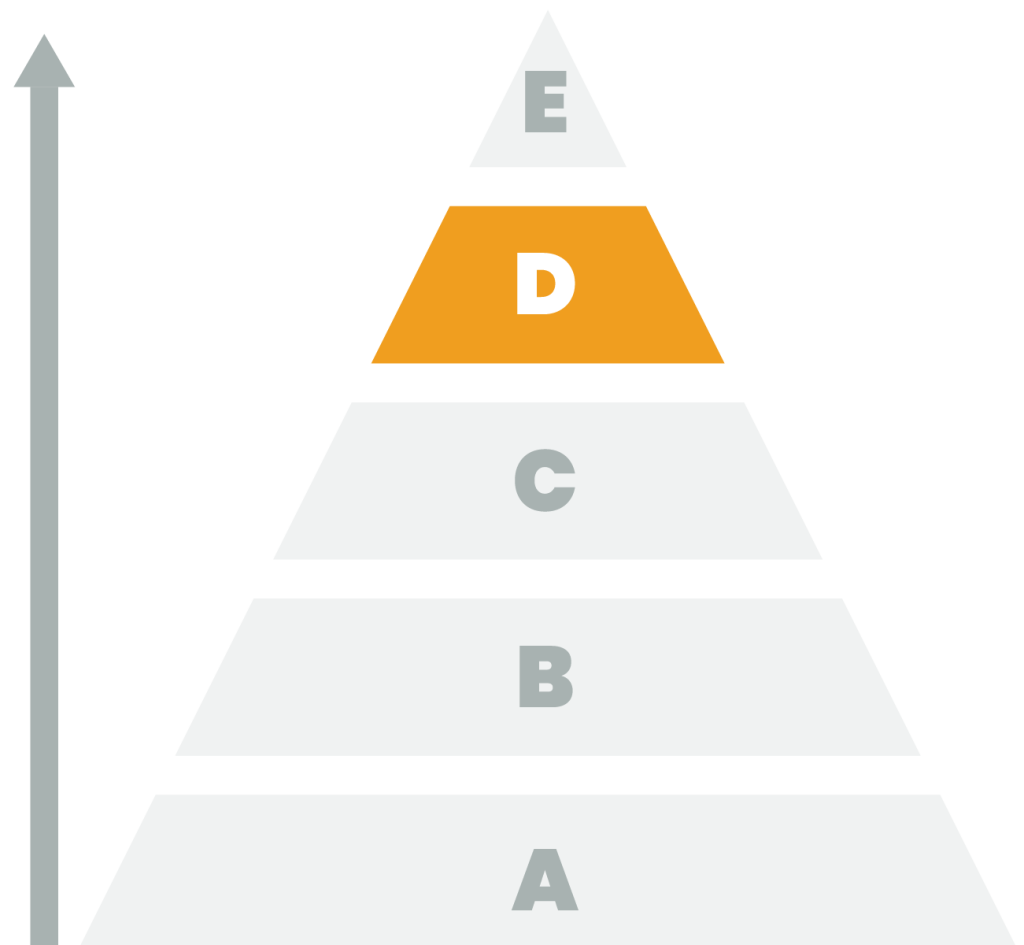
Phase D
Develop Demand
Building connections to what has been created through communication, training, and professional development.
A capability no one seeks out changes nothing, and good work does not advertise itself. Phase D builds the demand that gives the change momentum: communicating what exists and why it matters, training the people who will use it, and developing the champions whose enthusiasm travels farther than any announcement. This is where the coalition from Phase A earns its size, because demand grows through trusted voices, colleague to colleague, far faster than through any official channel. The work here converts what was built into what is used.
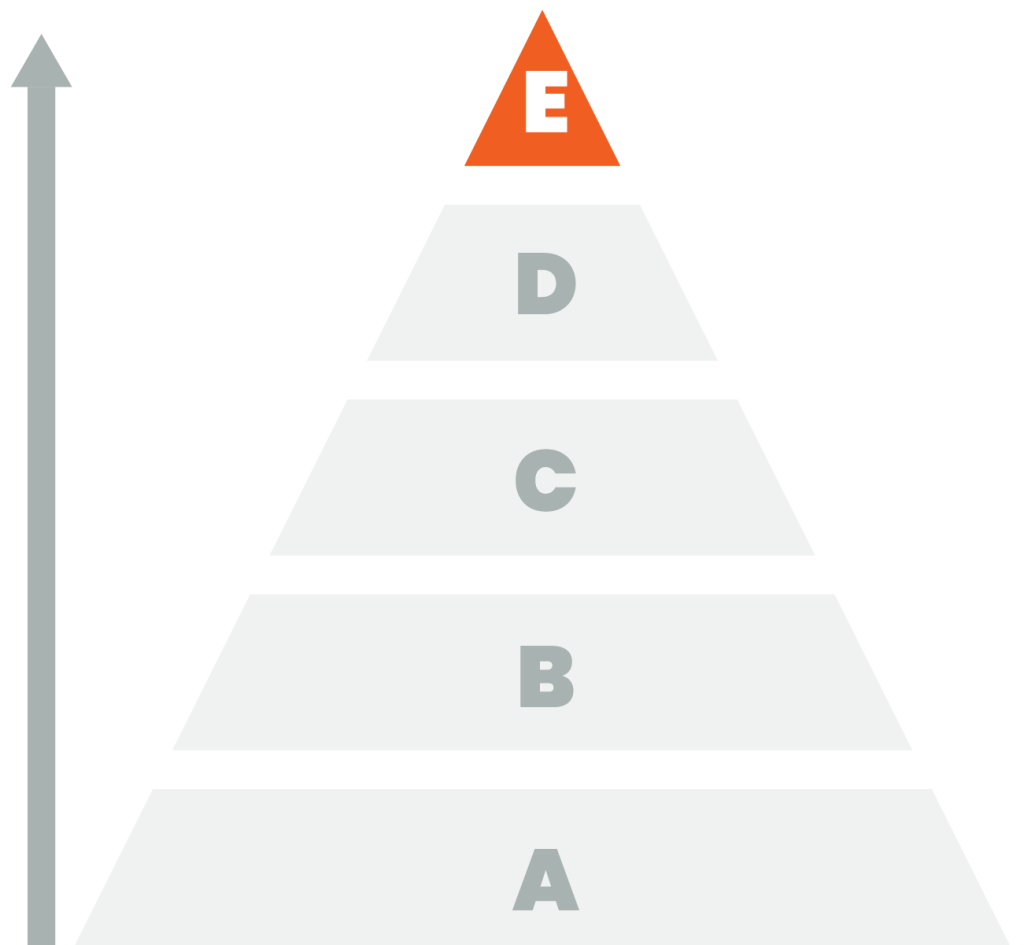
Phase E
Enable Ecosystems
Ensuring the sustainability of the change through policies, leadership, and business models.
The final phase asks the hardest question: what has to be true for this work to outlive the people who started it? Phase E builds the answer into the institution itself, through the policies that make new practice standard practice, the leadership commitments that protect it across transitions, and the funding models that carry it past the grant or the pilot. This is the apex of the pyramid because everything below it points here: change becomes an ecosystem when it no longer depends on any single team’s continued attention to survive.
The Framework in Practice
The framework has anchored change work across a range of institutional contexts, each engagement mapping the five phases to the culture and needs of the teams doing the work.
