
Opened Culture is a pioneering collaboratory and strategic consultancy dedicated to empowering educational institutions and communities. We stand as a beacon for change in the educational sector, offering a unique blend of strategic insight, practical support, and community engagement to revolutionize how education is delivered and experienced.


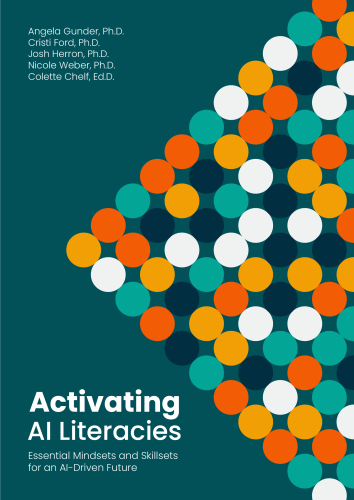


 Dr. Angela Gunder is the founder and CEO of Opened Culture, a global collaboratory and strategic consultancy advancing academic innovation, digital learning, and responsible approaches to emerging technology. She is the co-creator of the Dimensions of AI Literacies taxonomy, a field-defining contribution shaping how educators, institutions, and communities build AI skillsets and mindsets with intentionality and care. A scholar-practitioner and strategic leader in education for more than two decades, Dr. Gunder has led national and global initiatives on digital transformation, previously serving as Chief Academic Officer at the Online Learning Consortium. Her work has been commissioned, funded, and recognized by UNESCO, the Bill & Melinda Gates Foundation, the William and Flora Hewlett Foundation, EDUCAUSE, WCET, Quality Matters, APLU, UPCEA, and MIT Open Learning, with honors from MERLOT and her alma mater, The University of Arizona. She is also the inaugural Agentic AI Humanitarian of the Year, recognized by Arizona State University. A frequent keynote speaker, Dr. Gunder regularly presents on the global stage at convenings such as the International Council for Open and Distance Education, the European Distance and E-Learning Network, ASU+GSV, and SXSW EDU. She earned her Ph.D. in teaching, learning, and sociocultural studies from The University of Arizona, where she serves as online faculty and a strategic consultant for innovative pedagogy.
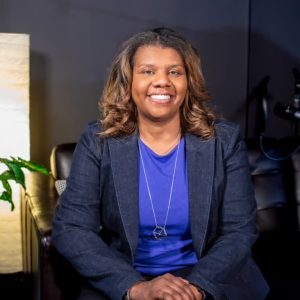 Dr. Cristi Ford is an education leader and learning technology strategist with more than 20 years of experience advancing high-quality, equitable digital learning across higher education and secondary education. Her work bridges pedagogy, technology innovation, and institutional change — guiding organizations as they adopt digital and AI-enabled approaches to teaching, learning, and assessment with clarity, integrity, and measurable impact. Committed to elevating emerging thought leadership in AI, Dr. Ford is the founder and host of the
 Dr. Nicole Weber is an educator and learning technology leader who translates emerging technology trends into practical, high-impact strategies for instructors and students. With over two decades of experience, she has led faculty development, learning innovation, and student success initiatives across online, blended, and technology-enhanced contexts. Her recent work focuses on the ethical and effective integration of generative AI in pedagogy, including field-defining contributions to the
  Dr. Colette Chelf is an education leader and researcher whose work examines how artificial intelligence is reshaping learning, knowledge work, and organizational transformation across education, workforce, and civic institutions. She contributes to the Dimensions of AI Literacies taxonomy developed through Opened Culture, bringing an organizational leadership perspective that explores how institutional ecosystems cultivate the cultural, operational, and strategic conditions necessary for responsible AI adoption. Her scholarship focuses on quality and equity in digital learning, institutional change management, and the evolving relationship between human agency and generative AI in knowledge work.